
Over the past few years, outdoor furniture design has been undergoing a quiet revolution. Driven by shifting consumer values and growing environmental awareness, natural materials such as teak, rope, and woven fibers are emerging as the stars of luxury outdoor spaces. But does this trend truly reflect a genuine shift toward sustainability, or is it merely another marketing trend? And what does it mean for certifications like FSC when selling in key markets like Europe and the US? Let’s unpack what professionals need to know.
Are natural materials really more sustainable than aluminium and polyethylene?
Natural materials can be more sustainable, but it’s not guaranteed. Sustainably sourced teak or certified natural fibers have a lower environmental impact than aluminum and polyethylene, whose production relies heavily on mining and the use of fossil fuels. For instance, aluminum requires significant energy to extract and process, and polyethylene—widely used in synthetic rattan—contributes to microplastic pollution when it degrades under UV exposure.
However, natural materials are only truly eco-friendly if sourced responsibly. Unsustainably harvested wood can lead to deforestation, and many rope or cane products originate from plantations with poor environmental practices. Moreover, aluminum and polyethylene furniture often last longer in extreme weather conditions and require less maintenance, which reduces the frequency of replacement—another key aspect of sustainability. Ultimately, the eco advantage of natural materials depends on their origin, processing, and durability in real-world use.
Why FSC certification is essential to sell in Europe and the US
Natural materials can be more sustainable, but it’s not guaranteed. Sustainably sourced teak or certified natural fibers have a lower environmental impact than aluminum and polyethylene, whose production relies heavily on mining and the use of fossil fuels. For instance, aluminum requires significant energy to extract and process, and polyethylene—widely used in synthetic rattan—contributes to microplastic pollution when it degrades under UV exposure.
However, natural materials are only truly eco-friendly if sourced responsibly. Unsustainably harvested wood can lead to deforestation, and many rope or cane products originate from plantations with poor environmental practices. Moreover, aluminum and polyethylene furniture often last longer in extreme weather conditions and require less maintenance, which reduces the frequency of replacement—another key aspect of sustainability. Ultimately, the eco advantage of natural materials depends on their origin, processing, and durability in real-world use.
Certification: genuine value or just marketing hype?
The surge in eco-friendly labels is no coincidence: sustainability sells. But certifications like FSC go beyond trends when leveraged correctly. Brands that integrate sustainability into their DNA—and communicate it authentically—can gain real market share. According to recent market research, over 60% of outdoor furniture buyers in Europe consider eco-certifications important in their purchase decisions, especially in mid-to-high-end segments.
Yet beware of “greenwashing”: labels without rigorous standards or third-party audits can damage credibility if uncovered. The key is to prioritize certifications with recognized standards (like FSC, PEFC, or Cradle to Cradle) and to educate sales teams and clients about their meaning. Done right, sustainability certification becomes a competitive differentiator—not just a checkbox.
Case study: KODO & ODA vs. KRABI & RODONA
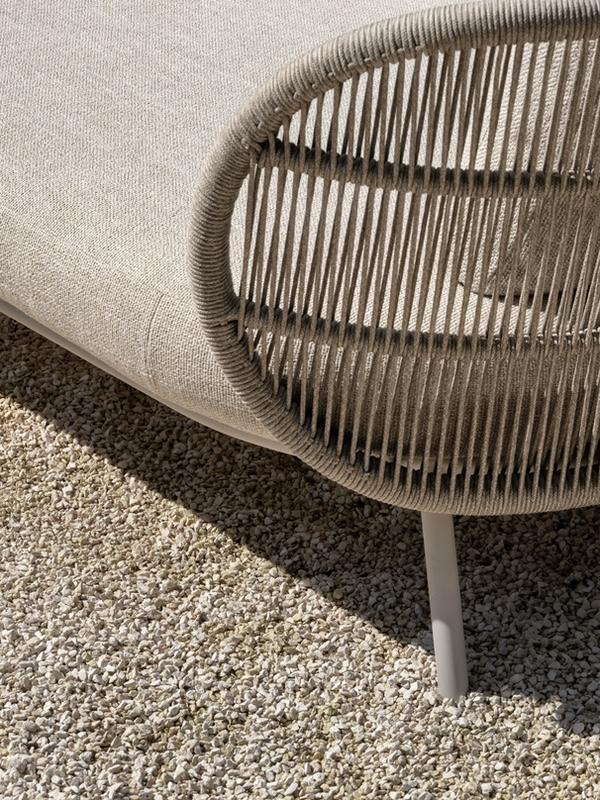
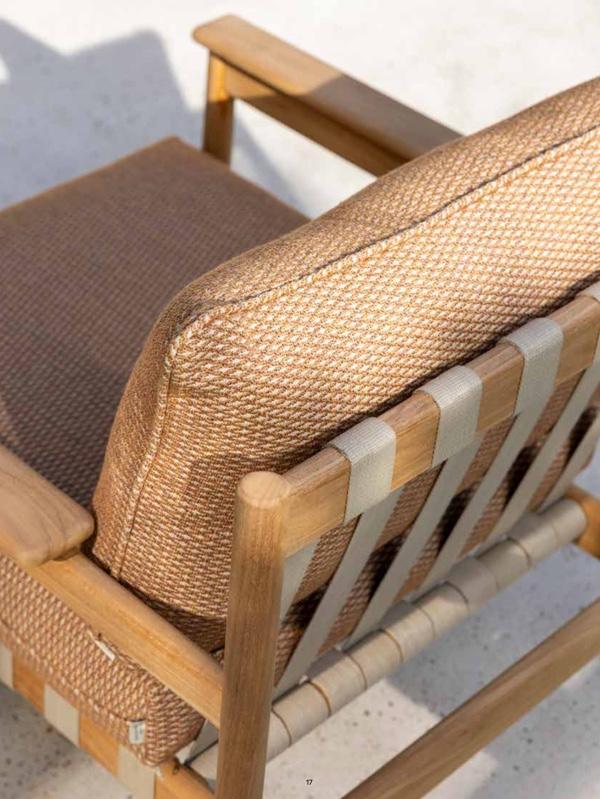
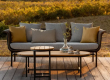
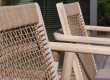
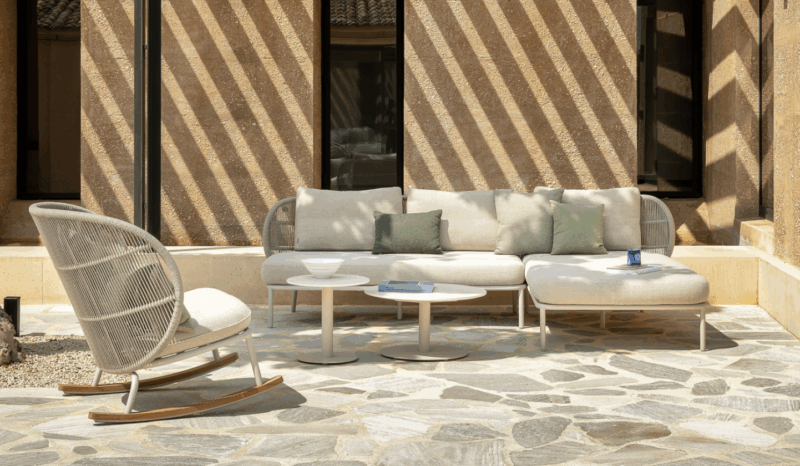
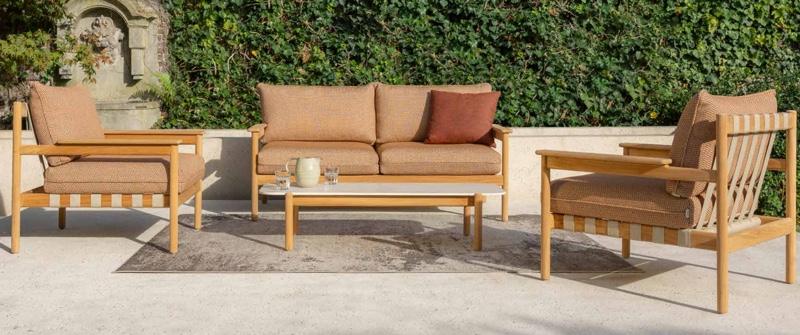
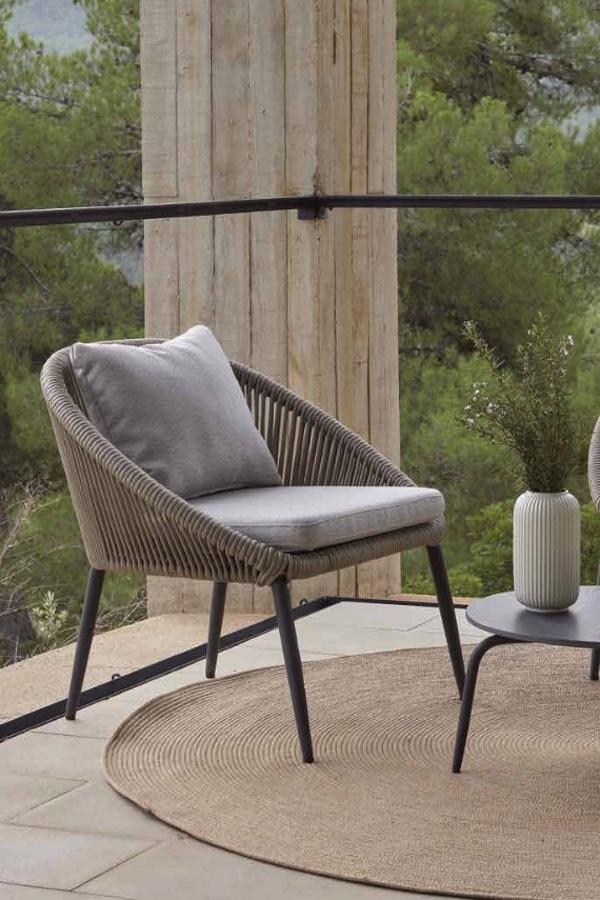
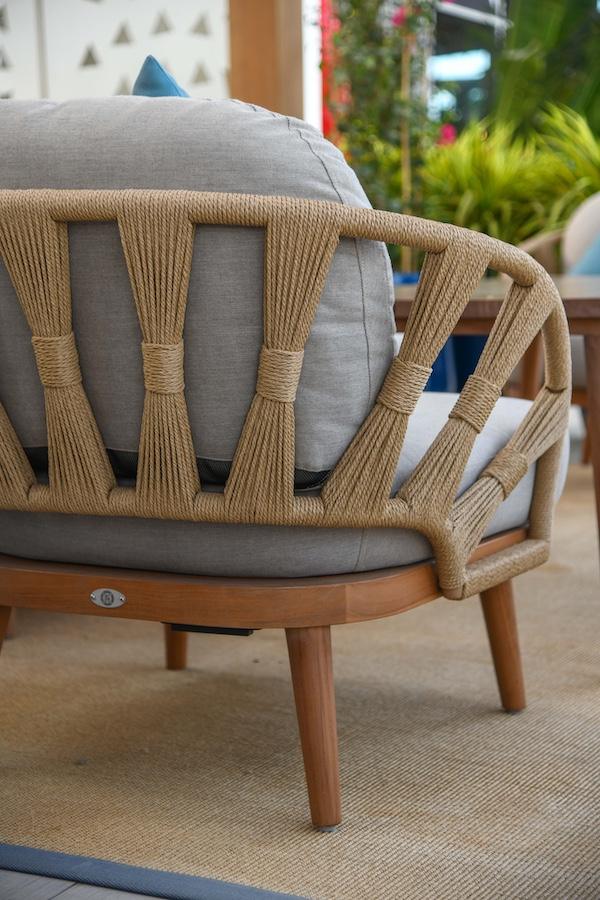
Comparing furniture lines illustrates this trend in action. Vincent Shepard’s KODO and ODA collections, inspired by tactile natural materials and organic shapes, feature woven rope and ceramic-topped tables, all made with a commitment to FSC-certified teak. These lines offer a modern interpretation of natural luxury, appealing to design-forward buyers who prioritize eco-consciousness.
On the other hand, Skyline Design’s Krabi and Rodona products rely more on synthetic fibers, such as HDPE wicker. While these materials offer excellent weather resistance and low maintenance, they have a higher environmental footprint during production, and the synthetic look can feel less warm and inviting than that of natural rope or wood.
Professionals should note that KODO and ODA exemplify how embracing natural materials, combined with authentic certifications, aligns with the sustainability trend and can justify premium pricing. KRABI and RODONA, while still popular for durability, may face tougher scrutiny from specifiers and eco-conscious consumers seeking reduced plastic use.
Takeaways
The natural materials trend is more than a fad; it reflects evolving consumer expectations and a shift in how outdoor spaces express sustainability. However, to truly capitalize on this opportunity, brands must go beyond surface-level claims. Responsible sourcing, genuine certifications, and clear communication are essential for turning the trend into lasting market share.
Reference
-
The 2024 European Consumer Insights Survey (PwC) found that 50–60% of European consumers across various categories prefer to buy from companies with a strong sustainability reputation, although not specifically for outdoor furniture.
-
According to Statista (2024) data, 55% of EU consumers report that eco-certifications influence their purchasing decisions in the home and garden categories.
-
For outdoor furniture specifically, there’s limited direct data; most manufacturers rely on internal surveys or industry association reports (e.g., BFM or EFIC), which indicate growing eco-consciousness, but not always with a precise, published percentage.