
When it comes to premium outdoor furniture, few materials rival the appeal of natural rattan and teak wood. Both are celebrated for their beauty, durability, and sustainability—but they differ significantly in origin, properties, and challenges from cultivation to end use.
Natural rattan
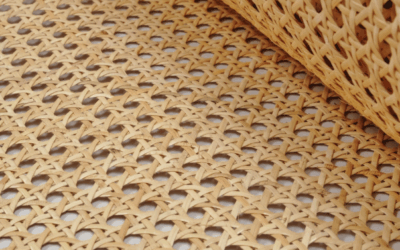
Rattan is not a tree but a climbing palm native to tropical rainforests in Southeast Asia, particularly Indonesia, which supplies ~80% of the world’s rattan. Rattan’s standout feature is its incredible flexibility and light weight, which allows artisans to bend it into intricate weaves ideal for airy, elegant designs. Rattan furniture exudes a relaxed, bohemian aesthetic and provides comfort without heavy cushioning.
However, natural rattan is less resistant to prolonged outdoor exposure compared to teak. UV rays, humidity, and rain can cause it to warp, crack, or fade. As a result, natural rattan is best suited for covered patios or indoor-outdoor transitional spaces. Synthetic versions (polyethylene rattan) have emerged as an alternative but lack the tactile warmth of natural rattan.

Teak wood
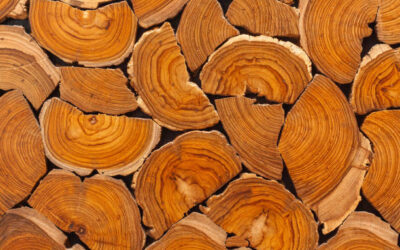
Teak (Tectona grandis) is a dense hardwood native to South and Southeast Asia, prized for its extraordinary weather resistance thanks to natural oils and silica that repel water and insects. These oils give teak outdoor furniture unmatched longevity: properly maintained, teak pieces can last 50+ years outdoors, gracefully aging to a silver-gray patina.
Teak’s strength supports substantial, sculptural furniture designs. Its rich golden-brown color and straight grain lend timeless elegance. Unlike rattan, teak can handle direct sun, rain, and even snow, making it a go-to for high-end outdoor settings.

Cultivation and harvesting
Rattan:
Rattan grows in tropical forests where it depends on trees for support. In Indonesia, sustainable harvesting is governed by programs like SVLK (Sistem Verifikasi Legalitas Kayu), ensuring legality and promoting forest regeneration. Wild rattan vines are cut once they reach maturity—typically 5–7 years—then stripped, boiled, and dried. Challenges include illegal logging and overharvesting that threaten biodiversity, plus limited traceability in remote regions.
Teak:
Most commercial teak today comes from responsibly managed plantations in Indonesia (Perum Perhutani) and Myanmar. Plantation-grown teak takes 20–30 years to mature. Certification bodies like the Forest Stewardship Council (FSC) promote sustainable forestry and prevent illegal teak from entering supply chains. Despite these efforts, Myanmar’s old-growth teak remains controversial due to deforestation and ethical concerns. Plantation teak offers a more sustainable alternative, though its wood is sometimes lighter and less oily than old-growth varieties.
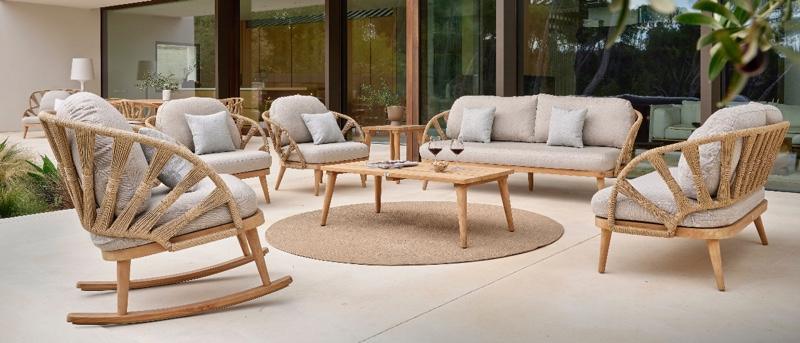
In the outdoor furniture industry
Main Challenges
-
Climate Impact and Overharvesting: Illegal logging and unsustainable practices pose a significant threat to both rattan and teak. Industry initiatives like Indonesia’s SVLK and FSC certification help but require widespread adoption.
-
Supply Chain Transparency: Tracing the origin of natural materials can be complex, leading to reputational risks for brands. Blockchain and digital tracking are being explored to improve traceability.
-
Cost Volatility: Teak prices have risen sharply—by over 30% since 2020—due to increased demand and limited supply. Rattan prices are also affected by regional instability and transportation disruptions.
-
Consumer Awareness: As synthetic alternatives proliferate, many consumers lack an understanding of the differences between genuine rattan and teak, highlighting a need for education on material care, sustainability, and durability.
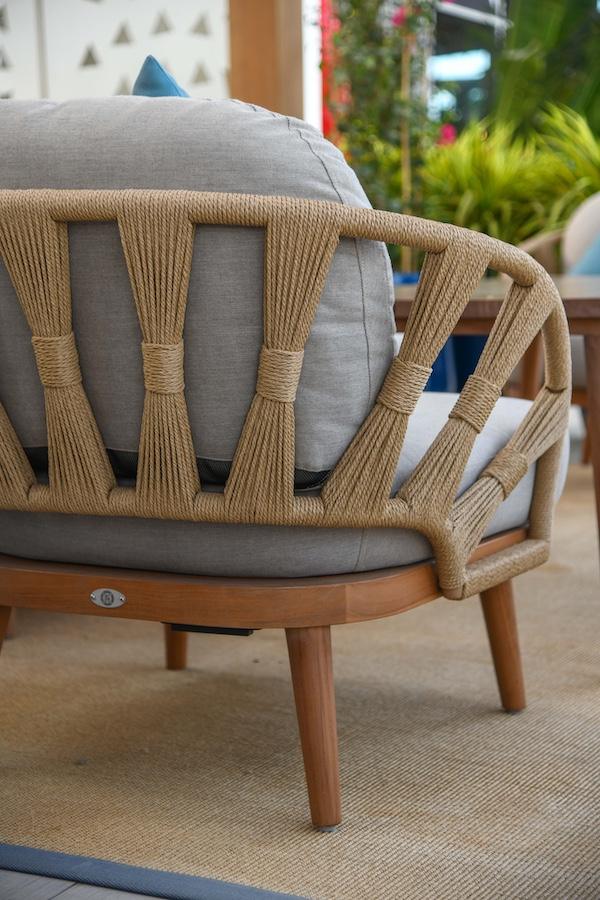
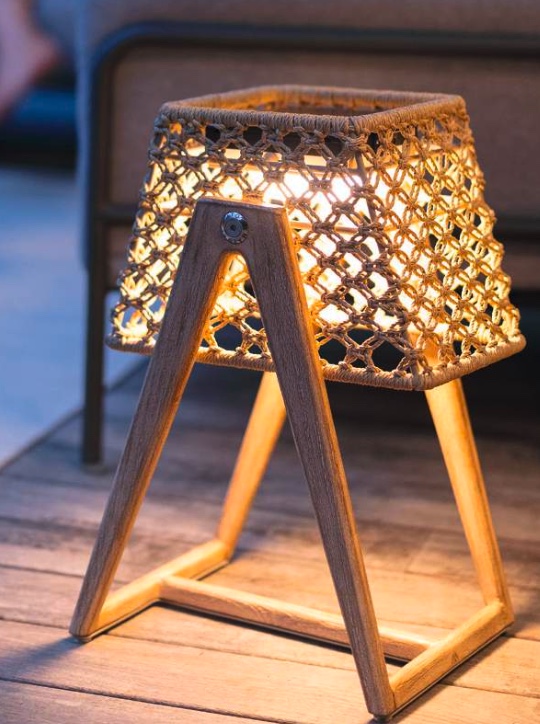
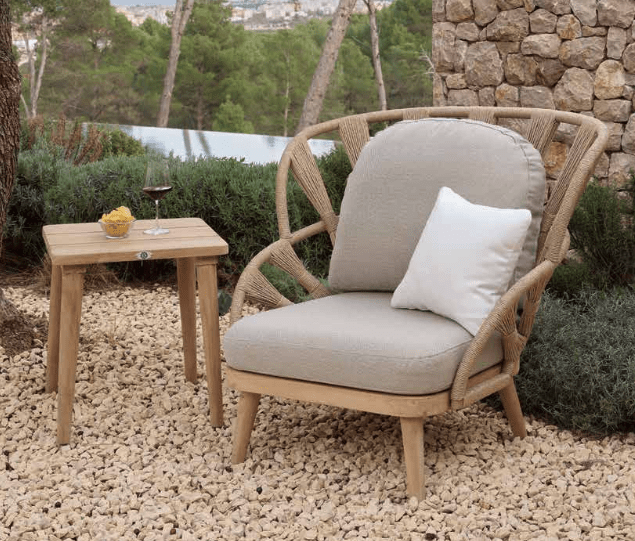
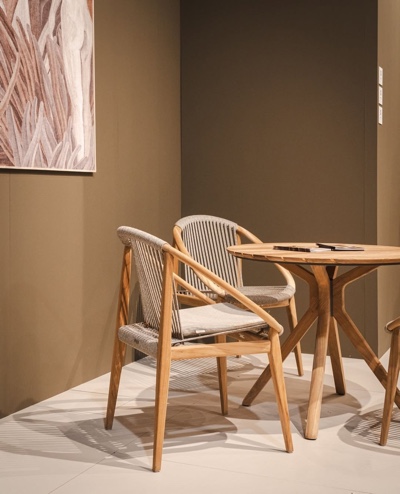
- Skyline Design KRABI chairs
- Vincent Sheppard FRIDA chairs
- Vincent Sheppard PENDULE Lights
How to choose: Natural rattan and teak wood?
From the perspective of a hospitality professional, with priorities like durability, maintenance, and guest experience:
Teak furniture:
- Weather Resistance & Longevity:
Teak can withstand intense sun, rain, humidity, and even salty coastal air without rotting or warping. This is critical for outdoor spaces like hotel pools, beachfront bars, or restaurant terraces, where furniture faces constant exposure. Teak’s lifespan of 20–50+ years (with minimal maintenance) makes it a cost-effective investment over time. - Low Maintenance:
Teak requires occasional cleaning and optional oiling if you want to maintain its honey-brown color — but it doesn’t crack or lose structural integrity if left untreated. In contrast, natural rattan needs protection from rain and direct sun, or it deteriorates quickly, which can mean high replacement and maintenance costs. - Luxury Perception:
Teak’s look — from its solid weight to its rich grain — signals premium quality. Many guests associate teak furniture with high-end resorts and fine dining patios, enhancing the overall brand image. - Safety & Practicality:
Teak is strong enough to handle heavy use from diverse guests and events. Rattan, though comfortable, can sag or break more easily under frequent, intensive use — especially in commercial environments where furniture sees hundreds of users weekly. - In most hospitality applications — especially those fully exposed to the elements — teak is the clear winner for durability, return on investment, and consistent guest satisfaction.
Where Rattan Makes Sense:
Choose natural rattan (or high-quality synthetic rattan) for covered lounges, indoor-outdoor transitional spaces, or areas where aesthetic charm and lightweight mobility matter more than exposure durability. For example, a sheltered cocktail lounge with rattan chairs can create a cozy, tropical atmosphere.
Conclusion
Natural rattan and teak wood each bring unique qualities to outdoor furniture: rattan offers lightweight, organic elegance ideal for covered spaces, while teak delivers robust, weather-resistant performance suited for fully exposed environments. For the industry, responsible sourcing, sustainable practices, and consumer education are key to preserving these natural treasures for future generations.