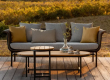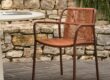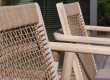

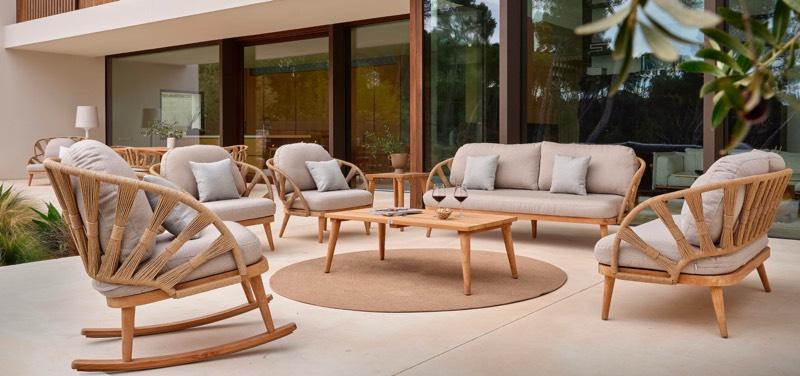
In recent years, the hospitality industry has witnessed a growing demand for outdoor experiences that feel personal, authentic, and deeply connected to nature, called the bohemian style. Guests no longer view outdoor areas as simple extensions of indoor lounges or restaurants. Instead, these spaces are expected to provide comfort, atmosphere, and a touch of escapism. Among the latest design trends shaping outdoor hospitality environments, the bohemian style has emerged as a leading choice. Characterized by its eclectic blend of textures, natural elements, and relaxed elegance, bohemian outdoor furniture offers both aesthetic appeal and commercial value.
Defining the Bohemian Style for Outdoor Spaces?
The bohemian style, often shortened to “boho,” is rooted in free-spirited design traditions. It favors organic forms, layered textiles, and handcrafted details, while embracing a natural palette inspired by earth, stone, and sky. When applied to outdoor furniture, this style creates environments that are welcoming, versatile, and highly photogenic—an essential quality in the age of social media.
For hotels, resorts, and restaurants, investing in bohemian-style outdoor areas translates into memorable guest experiences that encourage longer stays and repeat visits. The emphasis on natural materials and artisanal quality also signals authenticity and sustainability, values that increasingly influence consumer preferences.
Natural Materials as the Foundation
Central to the bohemian aesthetic is the use of natural and eco-friendly materials. Hospitality professionals seeking to incorporate this style should consider:
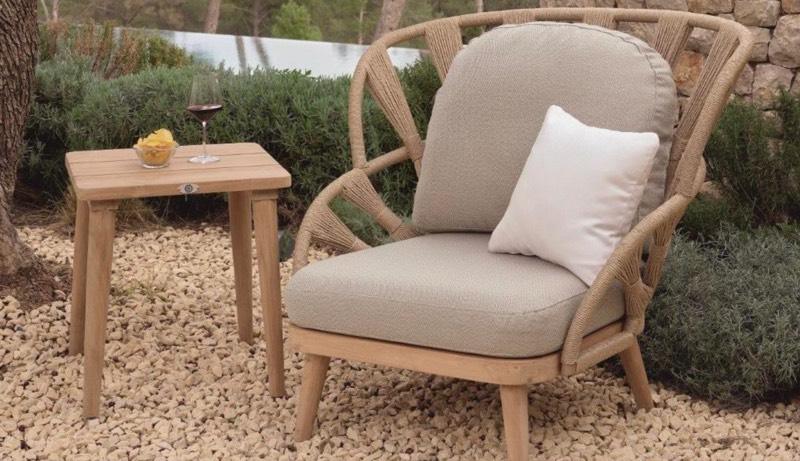
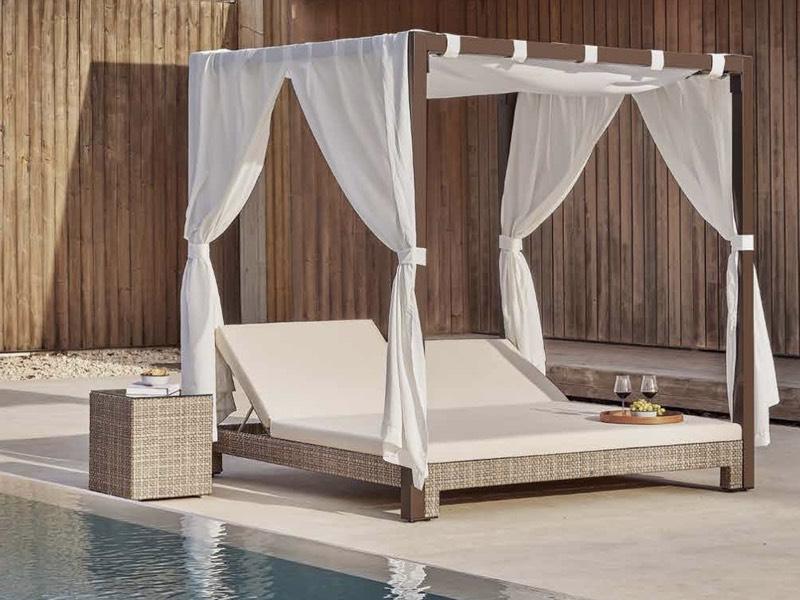
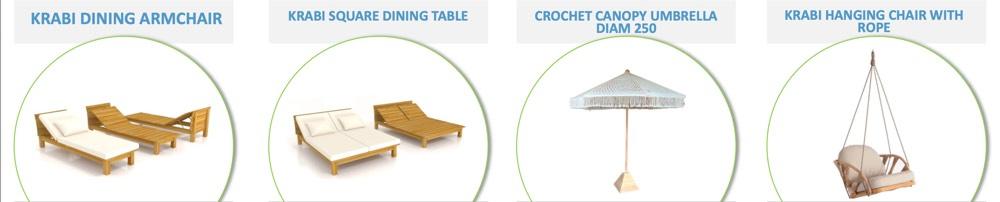
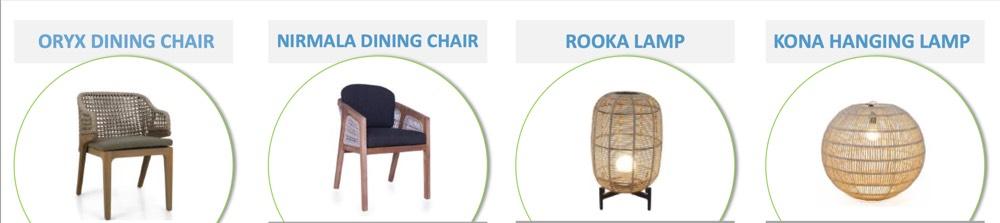
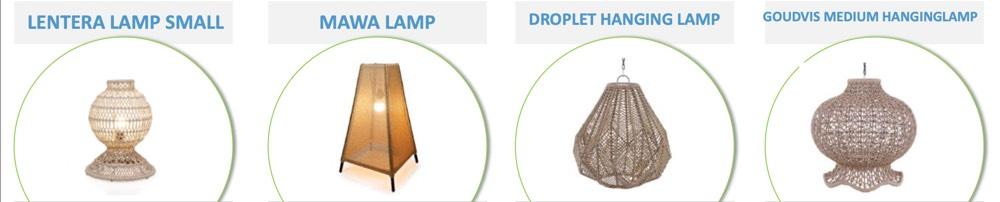
- Rattan and Wicker: Lightweight, durable, and timeless, these materials form the backbone of many boho-inspired furniture pieces. Lounge chairs, daybeds, and hanging swings in woven rattan create a relaxed yet sophisticated atmosphere.
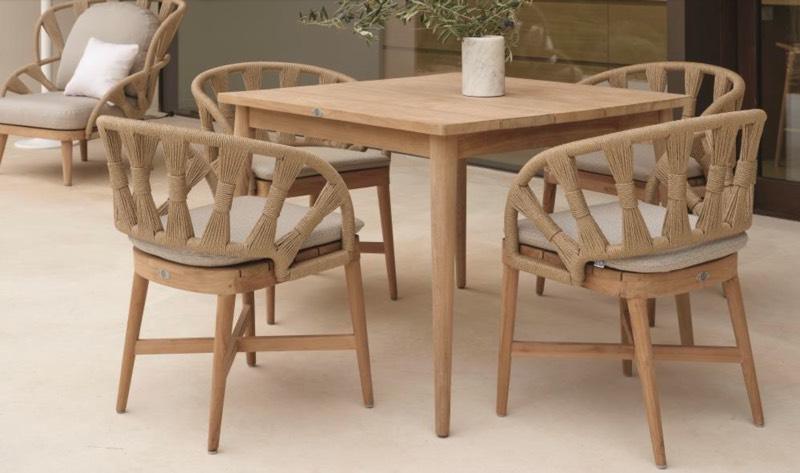
- Wood: Teak, acacia, and eucalyptus are particularly suited to outdoor environments due to their resistance to weathering. A rustic wooden table paired with mismatched chairs delivers both function and visual charm.
- Stone and Concrete: For a grounding effect, natural stone side tables or concrete planters add texture and contrast to softer woven or textile elements.
- Textiles: Linen, cotton, and jute are preferred for cushions, rugs, and throws. These fabrics not only enhance comfort but also contribute to the layered, organic look central to the bohemian identity.
By carefully balancing these materials, operators can achieve a look that feels curated rather than cluttered—an essential distinction in professional design.
Practical Considerations for Hospitality Professionals
While style is paramount, durability and maintenance remain essential in commercial settings. When investing in bohemian outdoor furniture, professionals should:
- Prioritize Weather Resistance: Choose rattan or wicker treated for outdoor use, and opt for hardwoods like teak that naturally withstand humidity and sunlight.
- Incorporate Modular Pieces: Bohemian design thrives on flexibility. Modular sofas, moveable ottomans, and stackable chairs allow for quick adaptation to group sizes and event needs.
- Blend Comfort with Functionality: Deep cushions and layered fabrics enhance guest comfort, but materials should be removable and washable to maintain hygiene standards.
- Accentuate with Greenery: Potted plants, climbing vines, or vertical gardens reinforce the natural ethos of boho design while softening architectural edges.
Beyond Aesthetic: The Guest Experience
For hospitality businesses, adopting bohemian outdoor furniture is not merely a design decision; it is a strategic investment in guest satisfaction. This style invites relaxation, encourages social interaction, and creates “Instagrammable” spaces that guests are eager to share online—an invaluable marketing advantage. Furthermore, by highlighting natural elements and artisanal craftsmanship, businesses can demonstrate their commitment to sustainability —a factor that is increasingly important in guest decision-making.
In conclusion
The bohemian style represents far more than a passing trend in outdoor furniture. Its emphasis on natural materials, layered comfort, and aesthetic authenticity aligns perfectly with the evolving expectations of today’s hospitality clientele. For industry professionals, investing in this design approach provides a pathway to elevate guest experiences, strengthen brand identity, and create outdoor spaces that are both profitable and visually stunning.