
In today’s competitive hospitality industry, creating memorable guest experiences goes hand in hand with maximising revenue opportunities. One of the most effective ways to elevate outdoor areas—whether by the pool, on a private beach, or in a luxury resort garden—is through the integration of cabanas and double daybed cabanas. These premium outdoor furnishings not only enhance comfort and style but also transform underutilised spaces into profitable assets. For resorts and beach clubs across the GCC and South Asia, where outdoor living is central to the guest experience, cabanas represent both a lifestyle upgrade and a substantial business investment.
Why Choose a Cabana or Double Daybed Cabana?
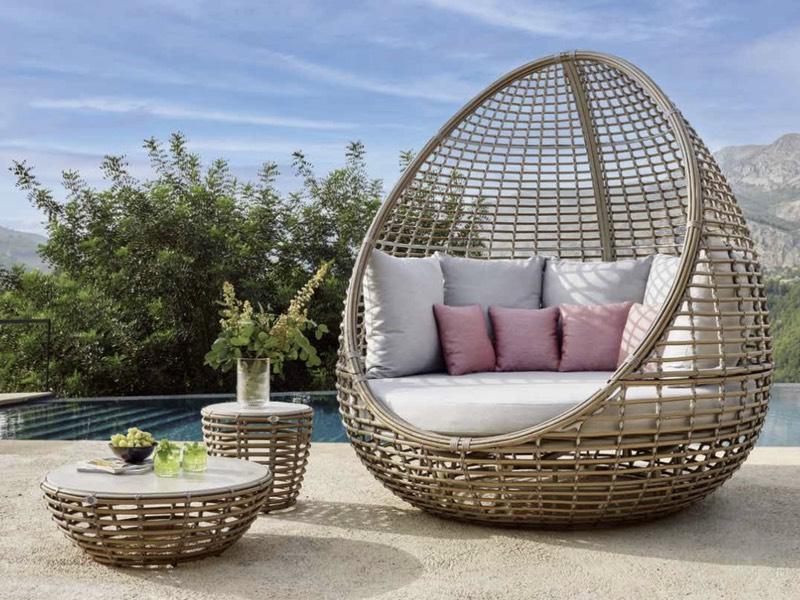
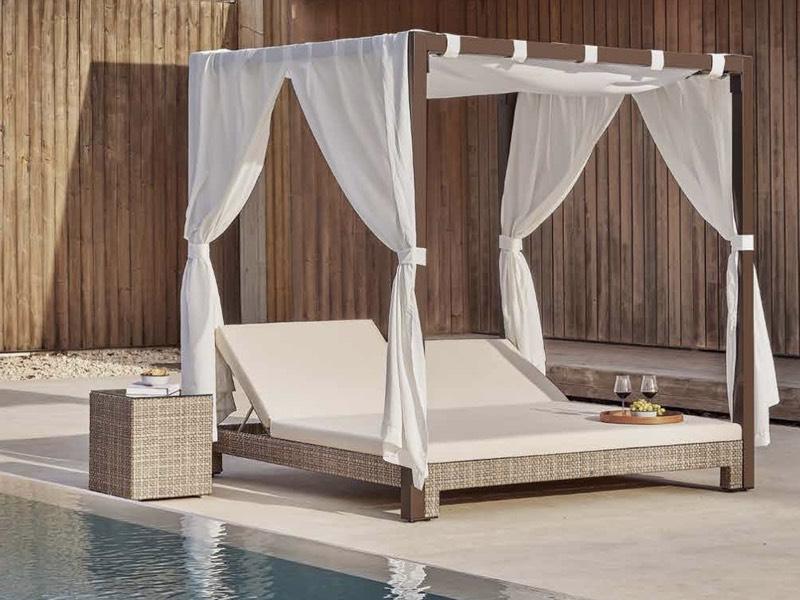
Unlike traditional sun loungers, cabanas and daybeds offer a blend of privacy, shade, and exclusivity. A cabana typically includes a shaded structure, adjustable seating, and high-quality cushions designed to withstand intense sun and humidity—an essential requirement for GCC and tropical South Asian climates. Double daybed cabanas, such as the one illustrated above, provide spacious seating for couples or small groups, making them ideal for social gatherings or private relaxation.
Key technical advantages include:
- Adjustable reclining mechanisms that allow guests to lounge upright or fully reclined.
- Weather-resistant frames, typically powder-coated aluminum or treated wood, engineered for durability in coastal and high-temperature environments.
- Marine-grade fabrics and quick-dry cushions, ensuring comfort without the worry of mold or fading.
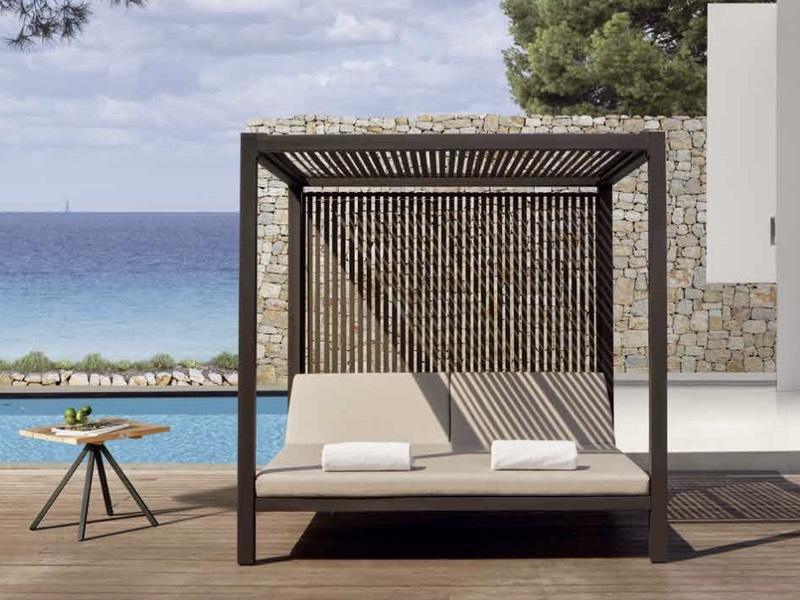
- Curtains or slatted panels that provide flexible privacy and shade.
For hospitality operators, the appeal is clear: cabanas enhance both functionality and design, upgrading outdoor areas into luxury lounges.
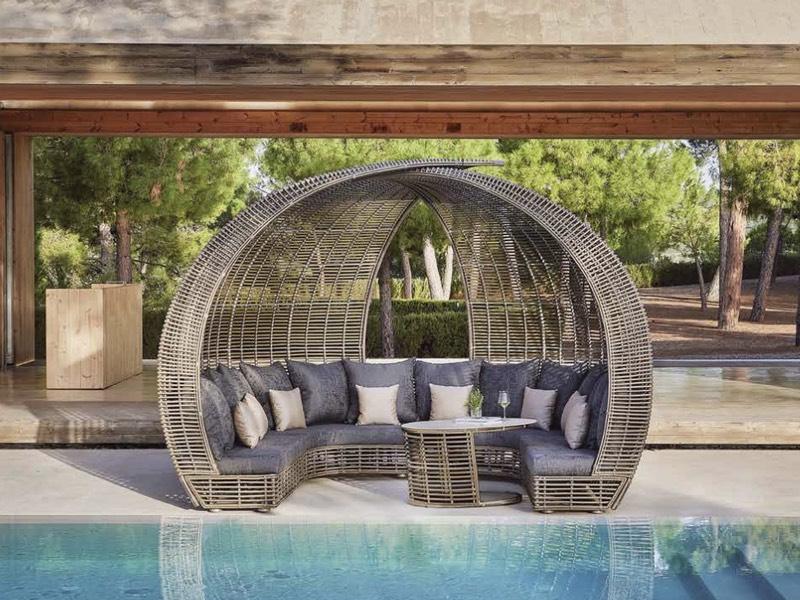
Turning Cabanas into Revenue-Generating Assets
Beyond comfort, cabanas are powerful revenue drivers. Many leading beach clubs and adult pools in Dubai, Doha, or the Maldives already capitalize on this model by offering cabanas as VIP rental spaces. Guests are willing to pay a premium for exclusivity, personalized service, and comfort—especially in markets where luxury and privacy are highly valued.
Hospitality venues can monetize cabanas in several ways:
- Daily or hourly rentals – Charging a set fee for cabana use, often bundled with added benefits like fruit platters, chilled towels, or a dedicated waiter.
- Minimum spend packages – Guests commit to a food-and-beverage minimum, ensuring higher spend per head compared to standard poolside seating.
- Event-driven bookings – Cabanas become prime locations for private celebrations, sunset gatherings, or corporate hospitality.
Studies within the region show that cabana guests typically spend 2–3 times more on F&B than regular pool or beach users. In premium destinations, cabanas are often booked weeks in advance, demonstrating their ability to generate recurring revenue.
Technology can further enhance revenue. Resorts using advanced cabana booking systems report up to a 45% increase in cabana revenue through real-time booking, flexible time slots, and prepaid packages. Meanwhile, dynamic pricing models allow beach clubs to adjust cabana rates according to demand, maximizing returns on peak days and special events.
Upgrading Outdoor Areas with Cabanas
For resorts and hotels, cabanas are more than just furniture—they are strategic upgrades to outdoor spaces. A well-designed cabana setup signals exclusivity, raises the perceived value of the property, and enhances the overall guest experience.
In GCC destinations such as Dubai, Abu Dhabi, and Muscat, where luxury tourism defines the market, offering high-end cabanas is no longer optional but expected. Similarly, in South Asia’s Maldives, Sri Lanka, and coastal India, international travellers associate daybed cabanas with world-class hospitality. By investing in premium cabanas, venues not only attract discerning guests but also strengthen their brand positioning as luxury-oriented establishments.
Moreover, cabanas help optimise space utilisation. Large outdoor areas that might otherwise appear empty can be converted into structured, revenue-producing lounge zones. Instead of a row of identical sunbeds, properties can offer tiered experiences: standard loungers for general guests and premium cabanas for those seeking elevated service.Performance can be tracked using KPIs such as Private Cabana Utilization Rate, where top-performing resorts report 60–80% average occupancy, with some exceeding 80% (BPLANer).
Conclusion
For resorts, hotels, and beach clubs across the GCC and South Asia, cabanas and double daybed cabanas are more than design features—they are profit centres and brand enhancers. They provide privacy, comfort, and exclusivity while simultaneously generating significant revenue through rentals and F&B upselling. By investing in durable, weather-resistant, and aesthetically refined cabanas, hospitality operators can transform their outdoor areas into premium lifestyle destinations, delivering both guest satisfaction and business growth.
In today’s market, where travellers demand both comfort and exclusivity, the question is not whether to install cabanas—it’s how soon you can bring them to your property.