

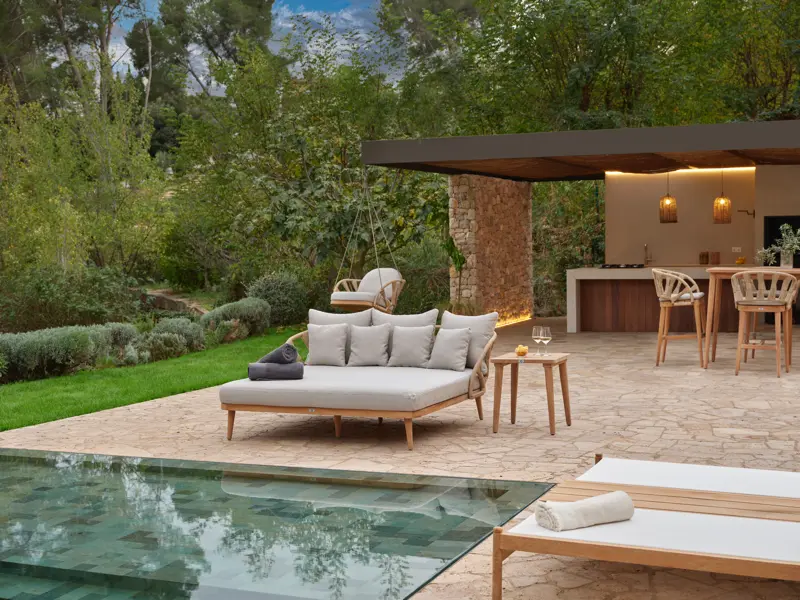
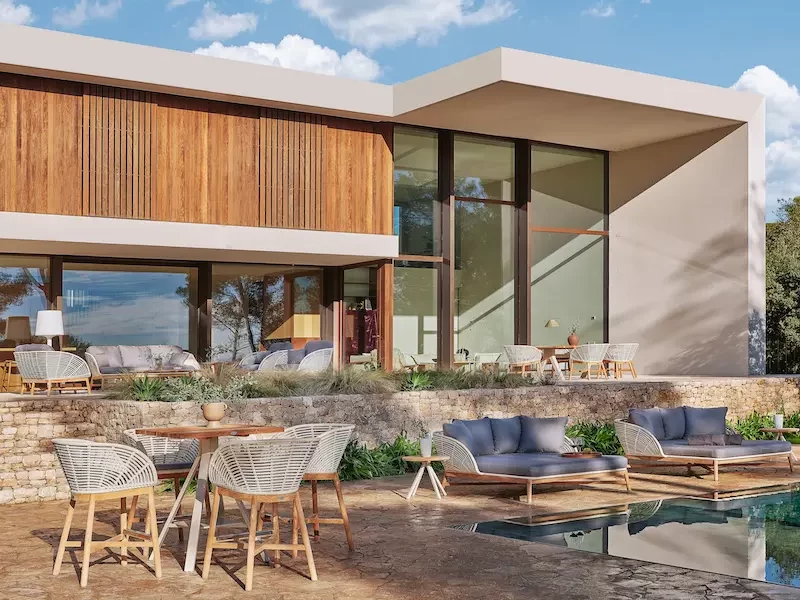
For hospitality professionals planning a renovation, a well-executed outdoor transformation can significantly enhance the guest experience while increasing property value and profitability. In today’s hospitality industry, outdoor spaces have become a major driver of guest satisfaction, brand differentiation, and revenue generation. Whether it is a luxury hotel terrace, a rooftop lounge, a poolside area, or a fine-dining restaurant patio, guests increasingly expect outdoor environments that are as sophisticated and comfortable as indoor spaces. According to trends regularly highlighted by Hospitality Net and Hotel Management Network, outdoor guest experiences continue to play an increasingly important role in property competitiveness.
Start with a Guest-Centric Design Strategy
The most successful luxury outdoor renovations begin with a clear understanding of guest expectations. Before launching any project, analyse how guests currently use the space and identify opportunities for improvement. Consider factors such as comfort, privacy, accessibility, and functionality.
For luxury hotels, outdoor areas should offer a range of experiences, including relaxation zones, social gathering spaces, wellness areas, and premium dining environments. Restaurants should focus on creating an atmosphere that encourages longer stays and enhances the dining experience. Every design decision should support the property’s overall brand positioning and target clientele.
Hospitality professionals can draw inspiration from leading hospitality design resources such as Dezeen Hospitality Design Projects and ArchDaily Hospitality Architecture.
Prioritise High-Quality, Durable Materials
Luxury hospitality environments require materials that combine elegance with long-term durability. Outdoor furniture, flooring, lighting, and decorative elements must withstand weather conditions while maintaining a premium appearance.
Natural stone, high-end porcelain, sustainably sourced hardwoods, and weather-resistant metals are popular choices for luxury outdoor projects. Investing in superior materials may increase initial costs, but it often reduces maintenance expenses and extends the lifespan of the renovation.
Sustainability is also becoming a key consideration. Eco-friendly materials and responsible sourcing practices can strengthen a property’s reputation while meeting the growing expectations of environmentally conscious travellers. Guidelines from the U.S. Green Building Council (LEED) can provide valuable insights when selecting sustainable materials and designing environmentally responsible outdoor environments.
Create Flexible and Multi-Functional Spaces
One of the most effective ways to maximise return on investment is to design outdoor spaces that can serve multiple purposes throughout the day and across different seasons.
A hotel terrace may function as a breakfast area in the morning, a coworking space during the day, and a cocktail lounge in the evening. Similarly, a restaurant patio can accommodate casual lunches, private events, and premium dining experiences.
Modular furniture, movable partitions, adaptable lighting systems, and versatile layouts allow hospitality operators to respond quickly to changing guest needs and business opportunities. Industry trends featured by Hospitality Design Magazine regularly emphasise the growing importance of flexible spaces in luxury hospitality settings.
Invest in Comfort and Climate Management
Guest comfort is essential to the success of any outdoor hospitality space. Luxury guests expect a seamless experience regardless of weather conditions.
Consider integrating shade structures, pergolas, retractable roofs, outdoor heating systems, misting solutions, and wind protection features. Comfortable seating with high-quality cushions and ergonomic designs can significantly improve guest satisfaction.
By extending the usability of outdoor areas year-round, climate management solutions can also increase occupancy rates and food-and-beverage revenues.
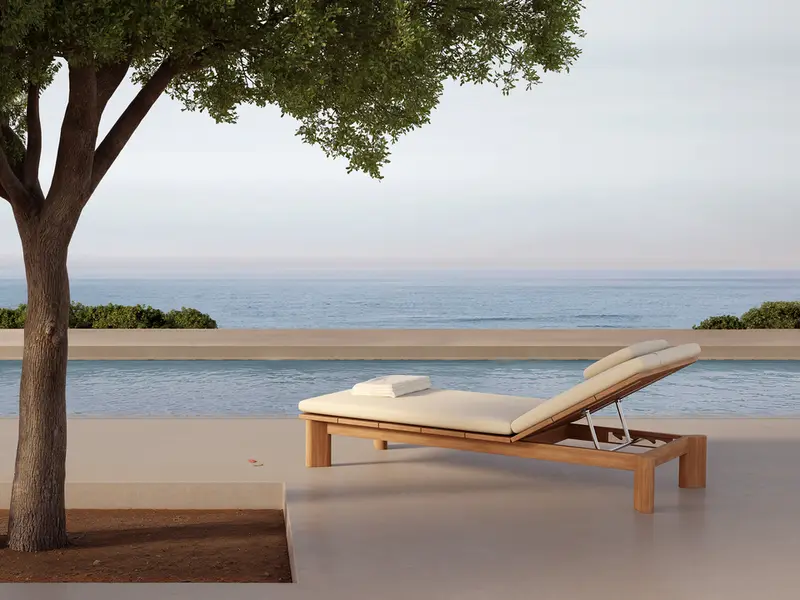
Use Lighting to Elevate the Guest Experience
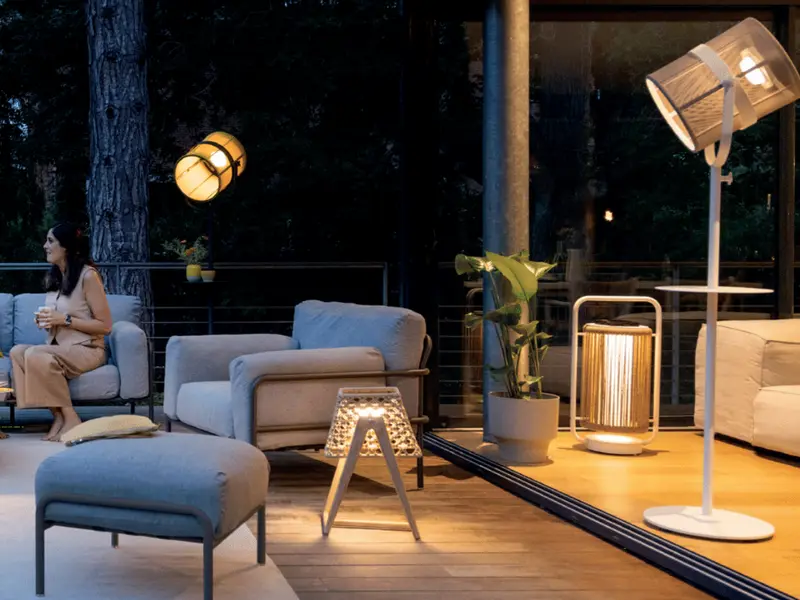
Lighting plays a crucial role in defining the atmosphere of outdoor spaces. A carefully designed lighting strategy enhances safety, highlights architectural features, and creates memorable guest experiences.
Layered lighting is particularly effective in luxury settings. With Maiori Lighting, combine ambient lighting for overall illumination, accent lighting to showcase landscaping and design elements, and task lighting for dining and service areas.
Professionals seeking inspiration can explore best practices from organisations such as the International Association of Lighting Designers. Smart lighting systems can provide additional flexibility by allowing staff to adjust brightness and ambience according to different events, times of day, and guest preferences.
Integrate Landscaping as a Design Feature
Landscaping should not be treated as an afterthought. Thoughtfully designed greenery can create privacy, improve aesthetics, and reinforce a property’s identity.
Native plants, vertical gardens, water features, and curated green spaces can transform ordinary outdoor areas into immersive environments. In urban settings, landscaping can help create a sense of escape and exclusivity that luxury travellers value highly.
Resources from the American Society of Landscape Architects offer useful guidance for creating sustainable, visually impactful landscapes.
Plan Renovations to Minimise Operational Disruption
Finally, successful hospitality renovations require careful project planning. Construction work should be scheduled to minimise disruptions to guests and daily operations.
Whenever possible, phase the renovation project, communicate clearly with guests, and coordinate closely with contractors experienced in luxury hospitality environments. A detailed timeline, realistic budget, and contingency plan will help avoid costly delays and maintain service quality throughout the renovation process.
Conclusion
Luxury outdoor renovations are no longer optional enhancements; they are strategic investments that directly influence guest satisfaction, revenue generation, and brand perception. By focusing on guest-centric design, durable materials, flexibility, comfort, lighting, landscaping, and efficient project management, hospitality professionals can create exceptional outdoor spaces that deliver lasting value and memorable experiences for guests.